
Textiles have been an integral part of human civilization for thousands of years. From the earliest days of humanity, people have used natural fibers to create clothing, shelter, and tools. The history of textiles is a rich tapestry of innovation, cultural exchange, and technological advancement. Whether you’re a history buff, a fashion enthusiast, or just curious about how fabrics have evolved, this guide will take you on a fascinating journey through the ages.
The story of textiles begins in ancient times. Early humans discovered that fibers from plants and animals could be spun into thread and woven into fabric. The earliest known textiles date back to around 5000 BCE in ancient Mesopotamia. These early textiles were made from flax, wool, and other natural fibers. The invention of the loom and the spinning wheel revolutionized textile production, allowing for the creation of more complex and durable fabrics.
As civilizations developed, so did their textile techniques. The ancient Egyptians were known for their fine linen, while the Chinese developed silk production. Silk, made from the cocoons of silkworms, became a highly prized and luxurious fabric. The Silk Road, a network of trade routes connecting East and West, facilitated the exchange of textiles and textile techniques between different cultures.
In Europe, the Middle Ages saw the rise of wool as a primary textile. The woolen industry thrived in countries like England and Italy, where sheep farming was widespread. The introduction of the water-powered spinning wheel and the flying shuttle in the 18th century further increased the efficiency of textile production, leading to the Industrial Revolution.
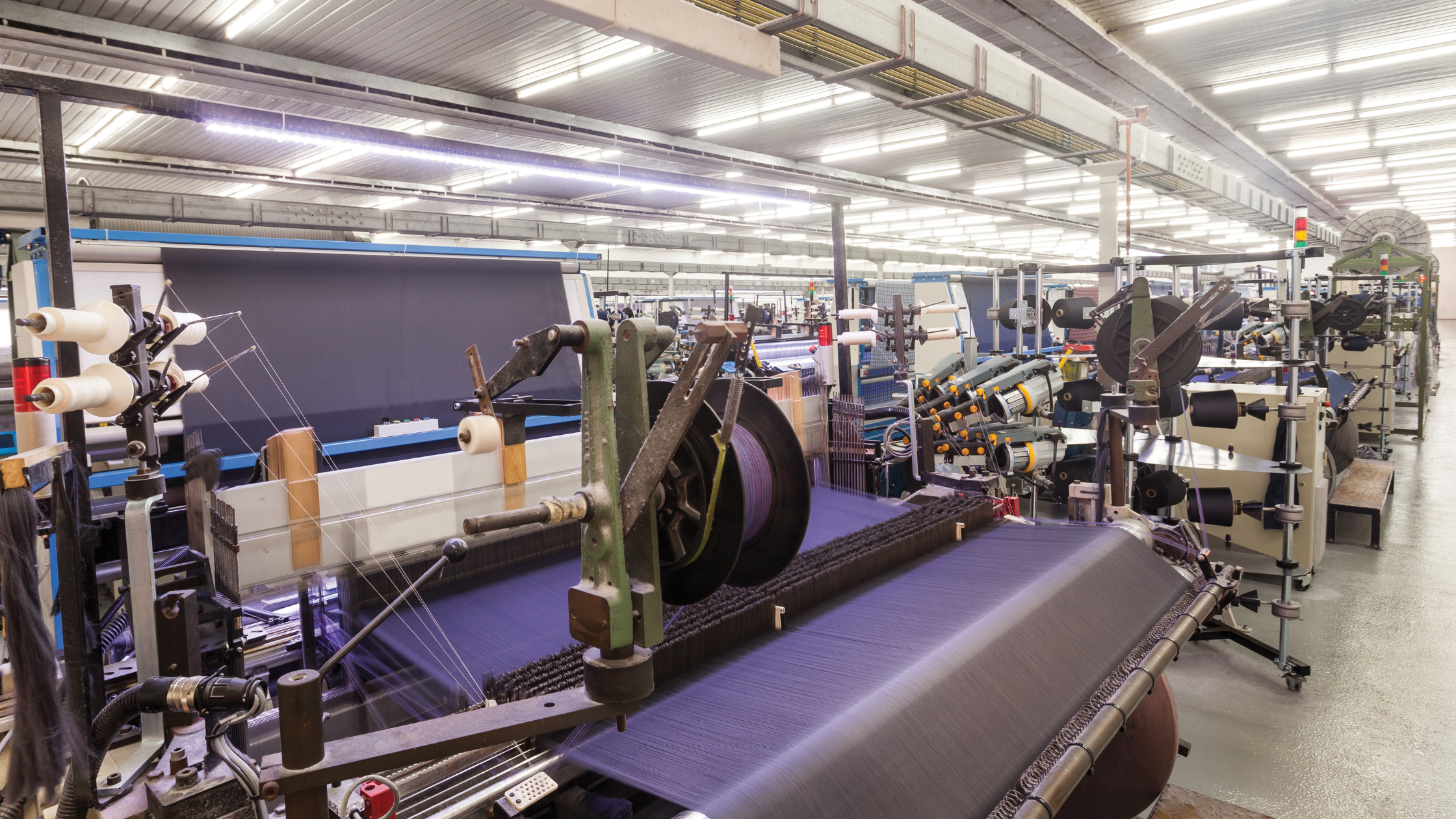
The 19th and 20th centuries brought about significant changes in the textile industry. The development of synthetic fibers, such as nylon and polyester, marked a new era in textile production. These man-made fibers offered durability, ease of care, and a wide range of colors and patterns. The advent of modern machinery and chemical treatments allowed for the mass production of textiles, making them more accessible to people around the world.
Today, the textile industry continues to evolve. Sustainable and eco-friendly textiles are becoming increasingly popular, as consumers seek out fabrics made from organic and recycled materials. Smart textiles, which incorporate technology like sensors and heating elements, are also emerging as a new frontier in the industry.
The history of textiles is a testament to human ingenuity and creativity. From the earliest days of weaving natural fibers to the development of advanced synthetic materials, textiles have played a crucial role in shaping human culture and society. Whether you’re interested in the ancient techniques of textile production or the latest trends in modern fabrics, the journey through the history of textiles is a fascinating one.